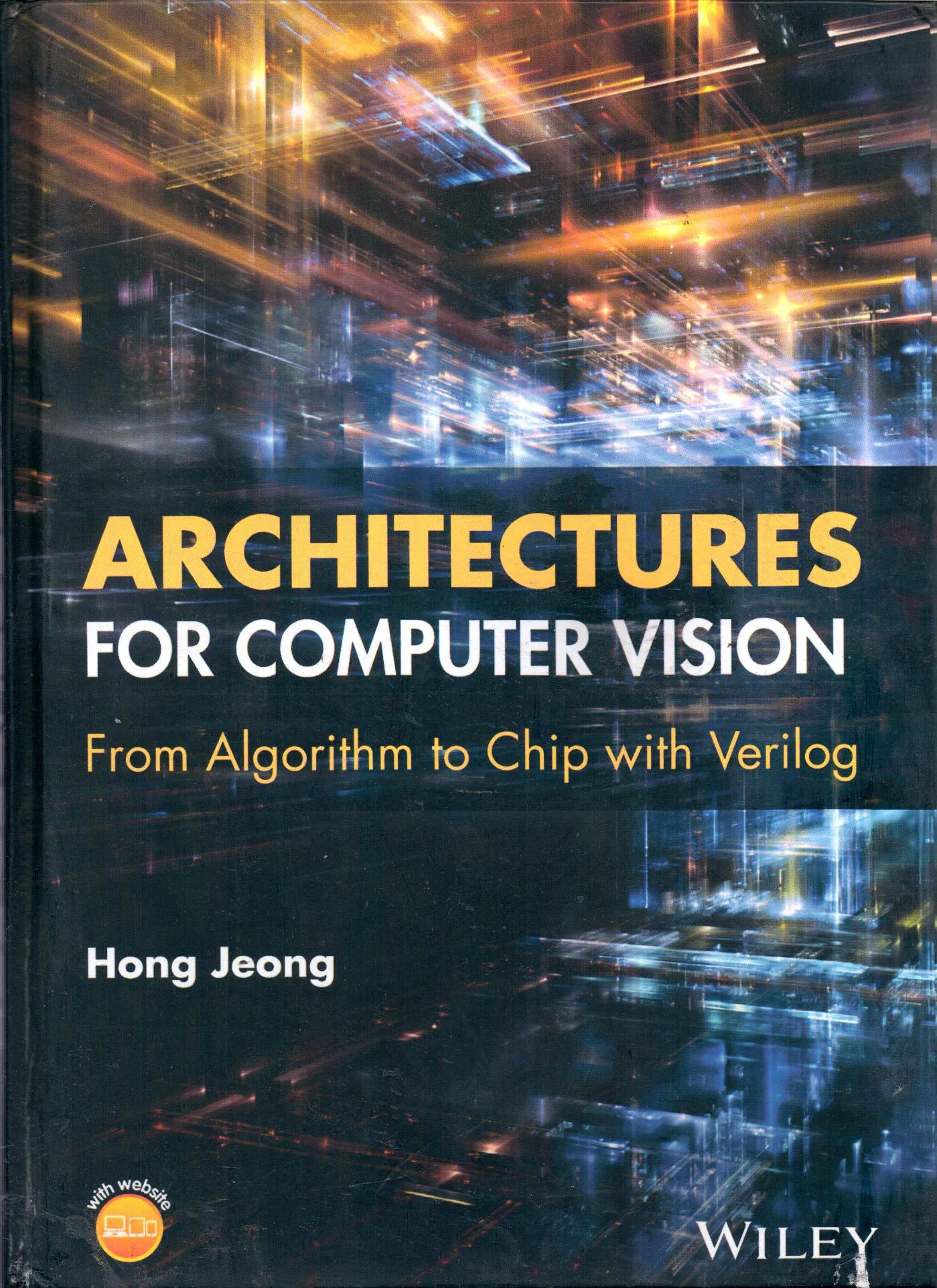
کتاب معماریهای بینایی ماشین: از الگوریتم تا تراشه با استفاده از Verilog یکی از منابع تخصصی در حوزه بینایی ماشین، طراحی سختافزار و سیستمهای نهفته است که ارتباط میان الگوریتمهای پردازش تصویر و پیادهسازی آنها روی سختافزار را بهصورت جامع بررسی میکند. نویسنده با بهرهگیری از زبان Verilog HDL، نحوه تبدیل الگوریتمهای بینایی ماشین به معماریهای قابل اجرا روی FPGA، ASIC، DSP و GPU را آموزش میدهد.
این کتاب علاوه بر معرفی مبانی بینایی سهبعدی، معماریهای موازی، پردازش استریو و طراحی سیستمهای بلادرنگ، نمونههای عملی متعددی برای پیادهسازی مدارهای دیجیتال ارائه میکند. همچنین تفاوتهای میان پیادهسازی نرمافزاری (C/C++) و طراحی سختافزاری را توضیح داده و راهکارهایی برای طراحی تراشههای پردازش تصویر با کارایی بالا پیشنهاد میکند.
این اثر برای دانشجویان کارشناسی ارشد و دکتری مهندسی برق، مهندسی کامپیوتر، بینایی ماشین، طراحی VLSI، سیستمهای نهفته، پردازش تصویر و پژوهشگران حوزه FPGA و ASIC منبعی ارزشمند و کاربردی به شمار میآید.
Architectures for Computer Vision: From Algorithm to Chip with Verilog provides a comprehensive treatment of the design and implementation of real-time computer vision systems, bridging the gap between advanced vision algorithms and digital hardware implementation.
The book explains how computer vision algorithms can be efficiently mapped onto hardware platforms such as FPGAs, ASICs, DSPs, and GPUs using Verilog HDL. It covers topics including stereo vision, parallel vision architectures, hardware acceleration techniques, and complete vision system-on-chip (SoC) design methodologies. Numerous practical examples and Verilog implementations help readers understand the transition from software-based algorithms to high-performance hardware solutions.
This book is an excellent reference for graduate students, researchers, FPGA designers, VLSI engineers, and professionals working in embedded vision systems and real-time image processing.
عزیزم توضیحات فارسی و انگلیسی درباره کتاب برام بنویس
حتماً عزیزم 🌹 این هم معرفی کاملتر و مناسب برای درج در سایت:
معرفی کتاب (فارسی)
کتاب «معماریهای بینایی ماشین: از الگوریتم تا تراشه با Verilog» یکی از منابع تخصصی و جامع در زمینه طراحی سختافزار برای سیستمهای بینایی ماشین است که ارتباط میان الگوریتمهای پیشرفته پردازش تصویر و پیادهسازی آنها روی تراشههای دیجیتال را بهصورت گامبهگام تشریح میکند. این کتاب با رویکردی میانرشتهای، مباحث بینایی ماشین، معماری کامپیوتر، طراحی دیجیتال و زبان توصیف سختافزار Verilog HDL را در قالب یک مسیر منسجم از ایده تا پیادهسازی عملی ارائه میدهد.
نویسنده ابتدا مفاهیم پایه بینایی ماشین و سیستمهای بینایی سهبعدی را معرفی کرده و سپس به بررسی معماریهای پردازشی، طراحی ماژولهای بینایی، پردازش موازی، معماریهای استریو و طراحی سیستمهای بلادرنگ میپردازد. در ادامه، نحوه تبدیل الگوریتمهای نرمافزاری به مدارهای سختافزاری با استفاده از Verilog و پیادهسازی آنها روی FPGA، ASIC، DSP و GPU با مثالهای کاربردی آموزش داده میشود.
یکی از نقاط قوت این کتاب، ارائه نمونههای عملی، کدهای Verilog و روشهای طراحی تراشههای پردازش تصویر است که به خوانندگان کمک میکند فاصله میان برنامهنویسی سطح بالا و طراحی مدارهای دیجیتال را بهخوبی درک کنند. همچنین مباحث مربوط به طراحی سیستمهای روی تراشه (SoC)، بهینهسازی عملکرد و معماریهای موازی برای پردازش تصاویر سهبعدی نیز بهطور کامل بررسی شده است.
این کتاب منبعی ارزشمند برای دانشجویان کارشناسی ارشد و دکتری، پژوهشگران و مهندسان حوزههای بینایی ماشین، پردازش تصویر، مهندسی برق، مهندسی کامپیوتر، طراحی VLSI، سیستمهای نهفته، FPGA و ASIC محسوب میشود و برای افرادی که قصد طراحی سامانههای پردازش تصویر با کارایی بالا را دارند، مرجعی کاربردی و قابل اعتماد است.
Book Description (English)
Architectures for Computer Vision: From Algorithm to Chip with Verilog is a comprehensive reference that bridges the gap between advanced computer vision algorithms and their implementation in digital hardware. The book presents a systematic design methodology that integrates computer vision, computer architecture, VLSI design, and Verilog HDL, guiding readers from algorithm development to hardware realization.
Beginning with the fundamentals of computer vision and 3D vision systems, the book explores vision architectures, parallel processing techniques, stereo vision algorithms, and real-time image processing. It demonstrates how sophisticated vision algorithms can be transformed into efficient hardware implementations for FPGAs, ASICs, DSPs, and GPUs through numerous practical examples and Verilog-based designs.
A distinctive feature of the book is its emphasis on closing the gap between software development in C/C++ and hardware implementation using Verilog HDL. Readers gain hands-on experience with hardware-oriented vision modules, system-on-chip (SoC) architectures, digital VLSI design techniques, and optimization strategies for high-performance embedded vision systems.
Designed for graduate students, researchers, FPGA developers, VLSI engineers, and embedded system designers, this book serves as an excellent resource for anyone interested in implementing high-speed, real-time computer vision applications in modern digital hardware platforms.