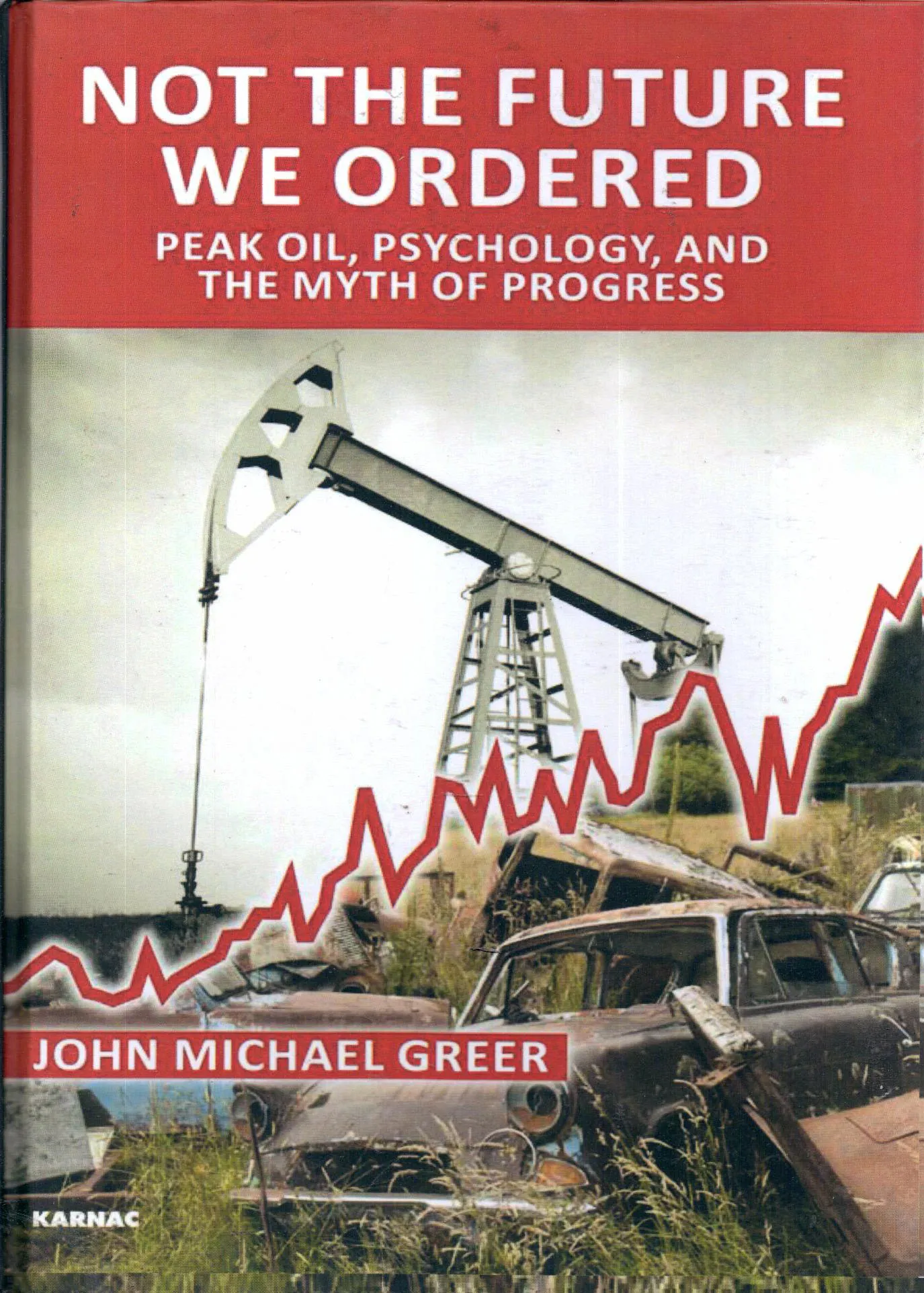
کتاب «آیندهای که سفارش نداده بودیم» اثری تحلیلی از جان مایکل گریر است که به بررسی ریشههای روانشناختی، فرهنگی و اجتماعی ناتوانی جوامع مدرن در مواجهه با بحران انرژی و پدیده «اوج نفت» (Peak Oil) میپردازد. نویسنده نشان میدهد که با وجود هشدارهای علمی چندین دهه گذشته درباره کاهش منابع نفتی، بسیاری از دولتها، سازمانها و حتی شهروندان این واقعیت را نادیده گرفتهاند و همچنان به اسطوره پیشرفت بیپایان و رشد نامحدود اقتصادی باور دارند.
گریر با بهرهگیری از مباحث روانشناسی اجتماعی، نظریههای فرهنگی و تحلیلهای تاریخی، سازوکارهایی مانند انکار، خوشبینی افراطی، وابستگی به فناوری و مقاومت در برابر تغییر را بررسی میکند و توضیح میدهد که چگونه این الگوهای ذهنی، مانع تصمیمگیریهای مؤثر در برابر بحرانهای زیستمحیطی و انرژی شدهاند. او استدلال میکند که چالش اصلی تنها کمبود منابع نیست، بلکه ناتوانی انسان در پذیرش تغییرات بنیادین و بازنگری در الگوهای فکری و اقتصادی است.این کتاب علاوه بر پرداختن به مسئله انرژی، تصویری گسترده از آینده تمدن صنعتی ارائه میدهد و خواننده را به بازاندیشی درباره مفهوم پیشرفت، مصرف، توسعه و تابآوری اجتماعی دعوت میکند. اثر حاضر برای پژوهشگران حوزه روانشناسی، جامعهشناسی، مطالعات محیطزیست، سیاستگذاری عمومی، آیندهپژوهی و اقتصاد منابع، منبعی ارزشمند و تأملبرانگیز به شمار میآید.
Not the Future We Ordered: Peak Oil, Psychology, and the Myth of Progress explores the psychological and cultural reasons why modern industrial societies have largely failed to respond to the long-anticipated challenge of peak oil. In this thought-provoking work, John Michael Greer argues that the greatest obstacle to addressing energy depletion is not technological or economic, but psychological and cultural.
Drawing on insights from social psychology, history, and cultural studies, Greer examines the myths of perpetual economic growth, technological optimism, and human exceptionalism that have shaped public attitudes toward resource depletion. He explains how denial, wishful thinking, and resistance to change have prevented meaningful action despite decades of scientific warnings about declining petroleum production.
Rather than focusing solely on energy policy, the book provides a broader reflection on the future of industrial civilization and the need for societies to develop resilience, adaptability, and more realistic expectations about progress. It is an insightful resource for readers interested in environmental psychology, sustainability, energy policy, social change, and the future of modern civilization.